
How to Start a FoodTech Business with AI: Transforming Dining with AR
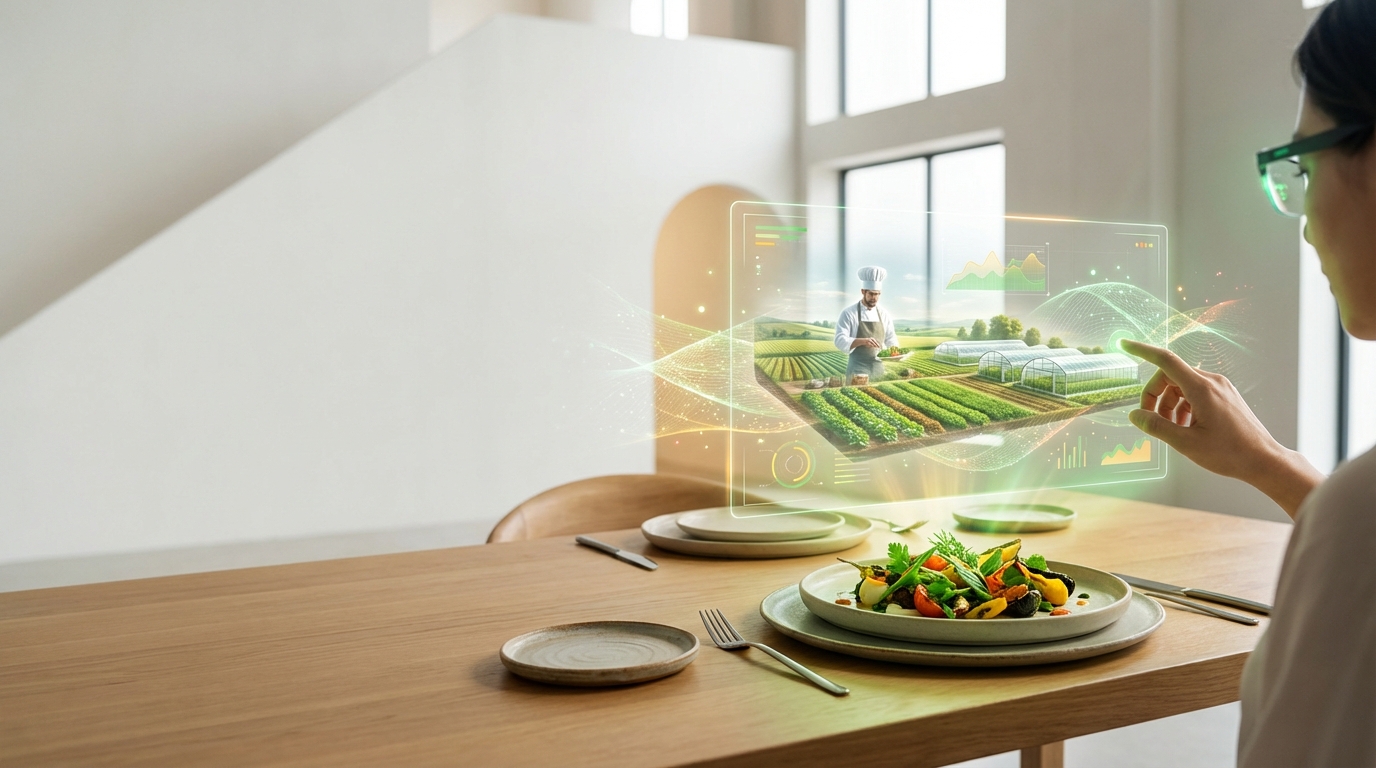
FarmSight offers an augmented reality dining experience that connects guests with the origins of their meals. By using AR glasses, diners can see holographic projections of farms, interact with virtual chefs, and receive real-time nutritional information, creating a memorable and educational experie
How to Start a FoodTech Business with AI: Transforming Dining with AR
In an era where transparency and sustainability are becoming essential in consumer choices, the FoodTech industry is rapidly evolving to meet these demands. The intersection of technology and food has opened up exciting opportunities for entrepreneurs to innovate the way we perceive and consume food. With the rise of AI and Augmented Reality (AR), new ventures like FarmSight are poised to transform dining experiences, emphasizing transparency and sustainability. But how does one start a FoodTech business leveraging these technologies? Let's delve into the specifics.
The FoodTech Market Opportunity
The FoodTech sector is experiencing a significant boom, driven by increasing consumer demands for transparency, sustainability, and unique dining experiences. According to recent reports, the global FoodTech market is projected to reach USD 342.52 billion by 2027, growing at a CAGR of 6.0% from 2020 to 2027. This growth is propelled by trends such as the rise of plant-based diets, sustainable sourcing, and technological developments in food processing and distribution.
Why Now for the FoodTech Niche?
- Consumer Awareness: More consumers are becoming conscious of not just what they eat, but how their food is sourced and prepared. This awareness creates a ripe opportunity for businesses that can offer transparency in the food supply chain.
- Technological Advancements: The availability and affordability of AR and AI technologies make it feasible for startups to create immersive dining experiences that were once limited to high-budget productions.
- COVID-19 Acceleration: The pandemic has accelerated the adoption of technology in dining, with consumers increasingly seeking digital solutions for food discovery and traceability.
FarmSight, with its unique proposition of using AR to showcase the journey of food from farm to table, is tapping into these trends to offer something truly distinctive. By allowing diners to interact with holographic farms and chefs, it not only addresses transparency concerns but also creates an engaging dining experience.
How AI is Revolutionizing FoodTech
Artificial Intelligence is reshaping the FoodTech industry in numerous ways. Its applications are diverse, from optimizing supply chains to enhancing customer experiences. Here's how AI is making a difference:
AI Applications in FoodTech
- Supply Chain Transparency: AI can analyze vast amounts of data to provide insights into the supply chain, ensuring food is sourced sustainably and ethically. This transparency helps build trust with consumers.
- Predictive Analytics: AI can predict consumer trends, helping businesses adjust their offerings in real-time to meet demand. This is particularly useful for reducing waste and optimizing inventory.
- Personalized Dining Experiences: Through machine learning, AI can offer personalized recommendations based on dietary preferences and past behaviors, enhancing the dining experience.
- Quality Control: AI-powered systems can inspect food products for quality and safety, reducing human error and ensuring high standards are met consistently.
By integrating AI, FarmSight can create a seamless, interactive experience, providing diners with a deeper understanding of their food's journey while promoting sustainable practices.
Building Your FoodTech Startup: Step-by-Step
Starting a FoodTech business with a focus on AI and AR involves several key steps. Here's a roadmap to guide your journey:
Step 1: Define Your Unique Value Proposition
- Identify the specific problem your startup will solve. For FarmSight, it's the lack of transparency in food sourcing.
- Clearly articulate how your use of AI and AR will address this problem uniquely.
Step 2: Conduct Market Research
- Analyze market trends and consumer behaviors to understand demand in your target region.
- Identify potential competitors and assess their strengths and weaknesses.
Step 3: Develop a Business Plan
- Outline your business goals, strategies, and financial projections.
- Include a detailed plan for technology development, focusing on how AI and AR will be integrated.
Step 4: Build a Prototype
- Create a minimum viable product (MVP) to test your concept with real users.
- Gather feedback to refine your offering and ensure it meets consumer needs.
Step 5: Secure Funding
- Explore funding options such as venture capital, angel investors, and crowdfunding.
- Highlight the innovative use of technology and the potential market size to attract investors.
Step 6: Assemble a Tech-Savvy Team
- Hire experts in AI, AR, and food sustainability to drive innovation.
- Consider partnerships with tech companies to leverage existing expertise and resources.
Step 7: Launch and Iterate
- Launch your product in a targeted market, such as urban areas in the U.S. and Europe.
- Continuously gather user feedback and iterate on your offering to enhance user experience and expand your reach.
Key Challenges and How to Overcome Them
Starting a FoodTech business is not without its challenges. Here are some common obstacles and strategies to overcome them:
Technological Complexity
- Challenge: Developing and integrating AI and AR technologies can be complex and resource-intensive.
- Solution: Partner with experienced tech firms or hire skilled developers to ensure robust technology implementation.
Consumer Adoption
- Challenge: Persuading consumers to adopt new dining technologies can be difficult.
- Solution: Focus on creating a seamless user experience and clearly communicate the benefits of your offering.
Regulatory Hurdles
- Challenge: The food industry is heavily regulated, which can impede innovation.
- Solution: Stay informed about industry regulations and work with legal experts to ensure compliance.
Financial Considerations
Starting a FoodTech business requires careful financial planning. Here are some considerations:
Startup Costs
- Initial costs include technology development, market research, and marketing.
- Ongoing expenses will involve operations, staffing, and technology maintenance.
Revenue Models
- Consider multiple revenue streams, such as subscription fees for exclusive dining experiences or partnerships with restaurants and farms.
Funding Opportunities
- Explore grants and funding programs focused on sustainability and technology innovation.
- Present a strong business case to attract investors interested in the FoodTech space.
Getting Started Today
The future of dining is here, and with the right approach, you can be at the forefront of this revolution. Start by defining your unique value proposition and building a prototype to test your concept. As you move forward, remember that the journey from farm to table is not just about food—it's about creating a meaningful connection between the diner and their meal.
"In the realm of FoodTech, innovation is the key to unlocking new dining experiences and creating a sustainable future."
Ready to embark on your FoodTech venture? Explore platforms like Denovo to gain access to resources and networks that can accelerate your business journey. Take the first step today and transform the dining experience with AI and AR.
By focusing on these specific strategies and considerations tailored to the FoodTech industry, you can effectively navigate the challenges and opportunities of starting a business that leverages AI and AR to revolutionize the way we experience food.
Written by
Saverio Pulizzi
A member of the Denovo community sharing their startup journey.