
How to Start a Mobile EdTech Business with AI: Engaging Kids in Coding
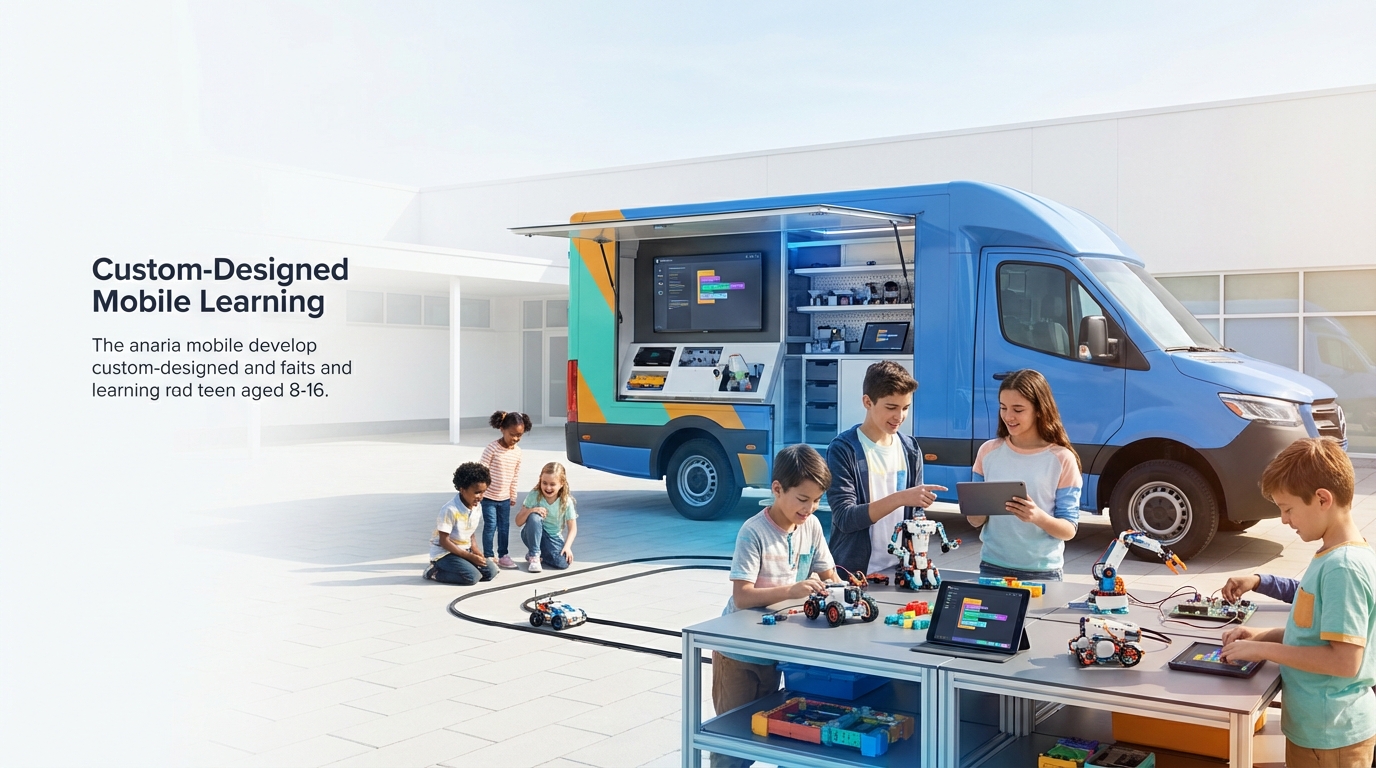
CodeWheels is a mobile coding workshop that travels to schools and neighborhoods, offering interactive coding and robotics experiences for kids and teens. Through collaborative hands-on projects, we make technology education fun and accessible, igniting creativity and curiosity in the next generatio
How to Start a Mobile EdTech Business with AI: Engaging Kids in Coding
Introduction: The Next Frontier in Education
In today’s rapidly evolving educational landscape, the need for engaging, interactive, and accessible learning experiences is more crucial than ever. Traditional educational systems often fall short in providing students with the necessary skills to thrive in a tech-driven world. This gap is particularly evident in subjects like coding and robotics, where hands-on experience is vital. Enter Mobile EdTech, a dynamic field that brings education to students’ doorsteps, offering flexibility, engagement, and a personalized approach. But how can entrepreneurs harness this opportunity, especially with the advent of AI? This blog will guide you through the journey of starting a Mobile EdTech business with a special focus on engaging kids in coding through AI-powered solutions.
The Mobile EdTech Market Opportunity
The Mobile EdTech market is on the cusp of a revolution, and the time to enter this niche is now. With the global EdTech market projected to reach $404 billion by 2025, the potential for growth is immense. Mobile EdTech specifically addresses the need for convenient, accessible educational solutions that can adapt to various environments, from urban schools to rural communities.
Total Addressable Market (TAM) and Trends
- TAM: The potential market for Mobile EdTech includes millions of students across the U.S. alone, with a significant subset interested in coding and robotics.
- Trends: There's a growing emphasis on STEM (Science, Technology, Engineering, Mathematics) education, and coding is becoming a fundamental skill akin to reading and writing. The demand for coding education that is both fun and educational is skyrocketing.
- Why Now?: The COVID-19 pandemic has accelerated the adoption of online and mobile learning solutions. Parents and educators are increasingly seeking innovative ways to engage students outside the traditional classroom setting.
"The future of education lies in adaptability and accessibility, and Mobile EdTech is perfectly poised to deliver on both fronts."
How AI is Revolutionizing Mobile EdTech
Artificial Intelligence is not just a buzzword; it's a transformative tool reshaping how we think about education. In the Mobile EdTech space, AI can significantly enhance learning experiences and operational efficiency.
AI Applications in Mobile EdTech
- Personalized Learning: AI can tailor educational content to individual learning styles and paces, ensuring that each child gets the most out of their coding lessons.
- Interactive Engagement: Through AI-powered chatbots and virtual tutors, students can receive instant feedback and assistance, making learning more interactive and engaging.
- Data-Driven Insights: AI can analyze student performance data to identify strengths and weaknesses, helping educators refine their teaching methods.
- Automation and Efficiency: AI can optimize logistics for mobile classrooms, scheduling sessions, and managing resources more efficiently.
"AI's ability to personalize and automate learning experiences makes it an indispensable tool in the Mobile EdTech entrepreneur's toolkit."
Building Your Mobile EdTech Startup: Step-by-Step
Embarking on the journey to start a Mobile EdTech business requires careful planning and execution. Here’s a step-by-step guide to help you get started:
1. Define Your Niche and Target Audience
- Identify the specific age group and subject area you want to focus on. For example, CodeWheels targets kids aged 8-16 interested in coding and robotics.
- Conduct market research to understand the needs and preferences of your target audience.
2. Develop Your Unique Value Proposition
- What sets your mobile EdTech business apart? Is it the use of AI, the hands-on approach, or the flexibility of your services?
- Craft a compelling tagline and mission statement that resonate with your audience.
3. Design Your Curriculum and Experience
- Collaborate with educators to create an engaging, hands-on curriculum that aligns with educational standards.
- Incorporate AI tools to enhance learning experiences and provide personalized feedback.
4. Build Your Mobile Infrastructure
- Invest in a reliable vehicle or fleet that can serve as mobile classrooms equipped with necessary tech and kitsets for coding and robotics.
- Ensure your mobile units are equipped with the latest technology to facilitate interactive learning.
5. Secure Funding and Resources
- Explore funding options such as grants, angel investors, or crowdfunding to support your startup costs.
- Build partnerships with local schools and community centers to expand your reach.
6. Launch and Market Your Services
- Develop a comprehensive marketing strategy that includes digital marketing, community events, and partnerships with educational institutions.
- Utilize social media and SEO strategies to reach your target audience effectively.
Key Challenges and How to Overcome Them
Starting a Mobile EdTech business is not without its challenges. Here’s how to address some common obstacles:
1. Logistical Challenges
- Solution: Use AI-powered tools to optimize routes and schedules, ensuring efficient mobile classroom operations.
2. Competitive Market
- Solution: Differentiate your services through unique offerings such as AI-driven personalized learning and partnerships with tech companies for exclusive content.
3. Regulatory Hurdles
- Solution: Stay informed about local educational regulations and work with legal experts to ensure compliance.
4. Building Trust with Parents and Educators
- Solution: Provide transparent communication, success stories, and testimonials to build credibility and trust.
"Overcoming challenges in Mobile EdTech requires innovation, adaptability, and a relentless focus on delivering value."
Financial Considerations
Understanding the financial landscape is crucial for a successful Mobile EdTech startup.
Startup Costs
- Initial investments in vehicles, technology, and curriculum development can be significant. Budget for ongoing maintenance and upgrades.
Revenue Models
- Consider various revenue streams such as subscription models, one-time workshops, and partnerships with schools.
Funding Opportunities
- Explore grants and funding from educational nonprofits and tech companies interested in supporting innovative educational solutions.
Getting Started Today
The future of education is mobile, interactive, and personalized. By starting a Mobile EdTech business, you can play a pivotal role in shaping how future generations learn and engage with technology. If you're ready to embark on this exciting journey, take the first step by researching your market and developing a clear business plan. Consider reaching out to organizations like Denovo for resources and support as you build your startup.
"The journey of a thousand miles begins with a single step, and in the world of Mobile EdTech, each step brings us closer to a brighter, more accessible future for education."
Now is the time to harness the power of AI and innovation to make a lasting impact on the educational landscape. Let's bring coding to every doorstep and inspire the next generation of tech innovators.
Written by
denovo
A member of the Denovo community sharing their startup journey.