
How to Start a Traveling Digital Planetarium Business with AI: Engage Astronomy Lovers
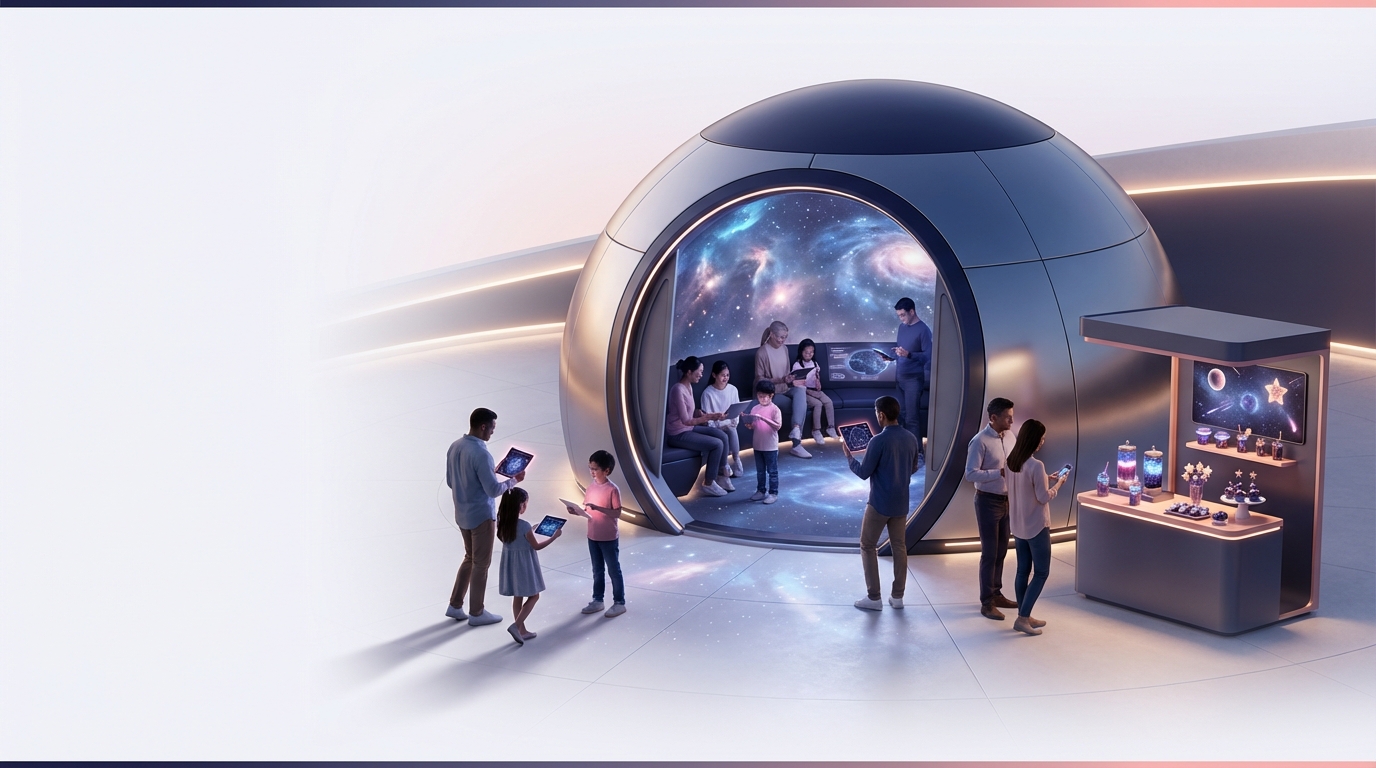
StellarVoyage is a seasonal pop-up digital planetarium that travels between cities, offering high-definition shows about celestial events. With an interactive website and themed snacks, it creates a unique and immersive educational experience for astronomy enthusiasts and families alike.
How to Start a Traveling Digital Planetarium Business with AI: Engage Astronomy Lovers
The night sky has always been a source of wonder and inspiration. However, the opportunity to explore the cosmos is often limited to static planetariums in major cities or through the lens of a telescope. StellarVoyage seeks to change this narrative by bringing the universe closer to people with its innovative traveling digital planetarium. Imagine a world where every city can experience the grandeur of celestial events, right at their doorstep. In this blog post, we'll explore how you can start a traveling digital planetarium business, leveraging AI to create unforgettable astronomical experiences.
The Traveling Digital Planetarium Market Opportunity
The demand for immersive astronomical experiences is on the rise. According to market research, the global planetarium market is projected to grow significantly over the next decade. This growth is fueled by increasing interest in STEM education, a heightened awareness of space exploration, and the desire for interactive learning experiences.
Total Addressable Market (TAM)
The Total Addressable Market for traveling digital planetariums is substantial. While traditional planetariums are limited by location, a traveling model can reach untapped markets, including smaller cities and rural areas. This expanded reach can capture a broader audience, from school groups to family outings and astronomy clubs.
Trends Driving Demand
Several trends are converging to create a perfect storm for this niche:
- Increased Interest in Space: With recent high-profile space missions and the rise of private space exploration companies, public interest in astronomy is at an all-time high.
- Interactive and Experiential Learning: Education is moving towards more hands-on experiences, and a digital planetarium offers exactly that.
- Technological Advancements: The advancement of digital projection technology and AI has made it possible to create realistic, immersive experiences that were not feasible a decade ago.
Why Now?
The timing couldn't be better to launch a traveling digital planetarium. With the convergence of interest in space, advances in technology, and a growing market for experiential education, entrepreneurs have a unique opportunity to fill a niche that is underserved by traditional planetariums.
How AI is Revolutionizing Traveling Digital Planetarium
Artificial Intelligence (AI) is a game-changer for the traveling digital planetarium business, offering new ways to engage audiences and streamline operations.
Personalized Experiences
AI can tailor the planetarium experience to different audiences. By analyzing data from previous shows, AI can suggest content that will be most engaging for a particular demographic, whether it's a group of schoolchildren or seasoned astronomy enthusiasts.
Enhanced Visuals
AI-powered algorithms can enhance the visual quality of celestial shows, creating stunning, high-definition projections. Real-time rendering capabilities allow for dynamic shows that can adapt to current astronomical events, such as meteor showers or eclipses.
Interactive Components
AI can facilitate interactive elements, such as voice-activated Q&A sessions and real-time simulations of celestial movements. This interactivity can boost engagement and provide a more educational experience.
Operational Efficiency
AI can also optimize logistics, such as route planning and scheduling, ensuring that the traveling planetarium reaches the maximum number of locations efficiently. AI-driven data analysis can help identify the most profitable locations and time slots.
Building Your Traveling Digital Planetarium Startup: Step-by-Step
Starting a traveling digital planetarium requires meticulous planning and execution. Here's a step-by-step guide to help you get started.
Step 1: Conduct Market Research
- Identify Target Audience: Determine who your primary audience will be. This could include schools, community centers, or special events.
- Analyze Competitors: Study existing planetariums and traveling educational shows to understand what they offer and how you can differentiate your business.
Step 2: Develop a Business Plan
- Define Your Vision and Mission: Clearly articulate your business goals and how you plan to achieve them.
- Create a Value Proposition: Identify what makes your traveling digital planetarium unique.
- Set Financial Goals: Outline your revenue model and financial projections.
Step 3: Leverage AI Technology
- Select the Right AI Tools: Choose AI software that can enhance your visual displays and manage logistical tasks.
- Develop Interactive Features: Incorporate AI to create interactive and personalized experiences for attendees.
Step 4: Secure Funding
- Explore Funding Options: Consider angel investors, venture capital, or crowdfunding to raise the necessary capital.
- Prepare a Pitch: Develop a compelling pitch that highlights the market opportunity and your unique approach.
Step 5: Acquire Equipment
- Invest in High-Quality Projection Systems: Ensure your equipment can deliver high-definition visuals.
- Choose Portable Infrastructure: Opt for structures that are easy to set up and transport, such as inflatable domes.
Step 6: Build a Team
- Hire Skilled Staff: Employ individuals with expertise in astronomy, education, and technology.
- Train Staff: Ensure your team is well-versed in operating the equipment and engaging with the audience.
Step 7: Launch and Market Your Business
- Create a Marketing Strategy: Utilize social media, local advertising, and partnerships with educational institutions.
- Host a Launch Event: Organize an event to showcase your planetarium and attract initial customers.
Key Challenges and How to Overcome Them
Launching a traveling digital planetarium comes with its own set of challenges, but with careful planning, they can be overcome.
Challenge 1: Logistical Complexity
- Solution: Use AI to optimize routes and schedules, ensuring efficient use of resources.
Challenge 2: High Initial Costs
- Solution: Start with a lean model, focusing on key regions before expanding. Explore partnerships with local educational institutions to share costs.
Challenge 3: Maintaining Engagement
- Solution: Continuously update content and leverage AI to personalize the experience, ensuring that each show feels unique.
Challenge 4: Weather Dependencies
- Solution: Plan indoor events and have a flexible schedule that allows for rescheduling if weather conditions affect attendance.
Financial Considerations
Starting a traveling digital planetarium requires a clear understanding of the financial landscape.
Startup Costs
- Equipment: High-quality projection systems and portable structures can be costly.
- Staffing: Hiring skilled personnel is a significant expense.
- Marketing: Initial marketing efforts to build brand awareness.
Revenue Models
- Ticket Sales: Primary source of revenue from attendees.
- Educational Packages: Partnerships with schools and educational institutions for specialized programs.
- Merchandising: Selling themed snacks and souvenirs related to astronomy.
Funding Options
- Investors: Seek out investors interested in educational and technological innovations.
- Grants: Look for grants focused on STEM education and community outreach.
Getting Started Today
The time is ripe to launch your traveling digital planetarium. With the right blend of AI technology and a passion for astronomy, you can create an engaging business that connects people with the wonders of the universe. Begin by conducting thorough market research, building a comprehensive business plan, and leveraging AI to enhance your offerings.
"Embark on your StellarVoyage journey and inspire the next generation of astronomers. Explore the universe, one city at a time."
To take the first step, consider reaching out to Denovo, a platform that assists startups with strategic planning and execution. With their guidance, you can turn your vision into a thriving business that brings the cosmos to everyone.
Written by
denovo
A member of the Denovo community sharing their startup journey.