
How to Start an Urban Micro-Farm Business with AI: Optimize Water Use
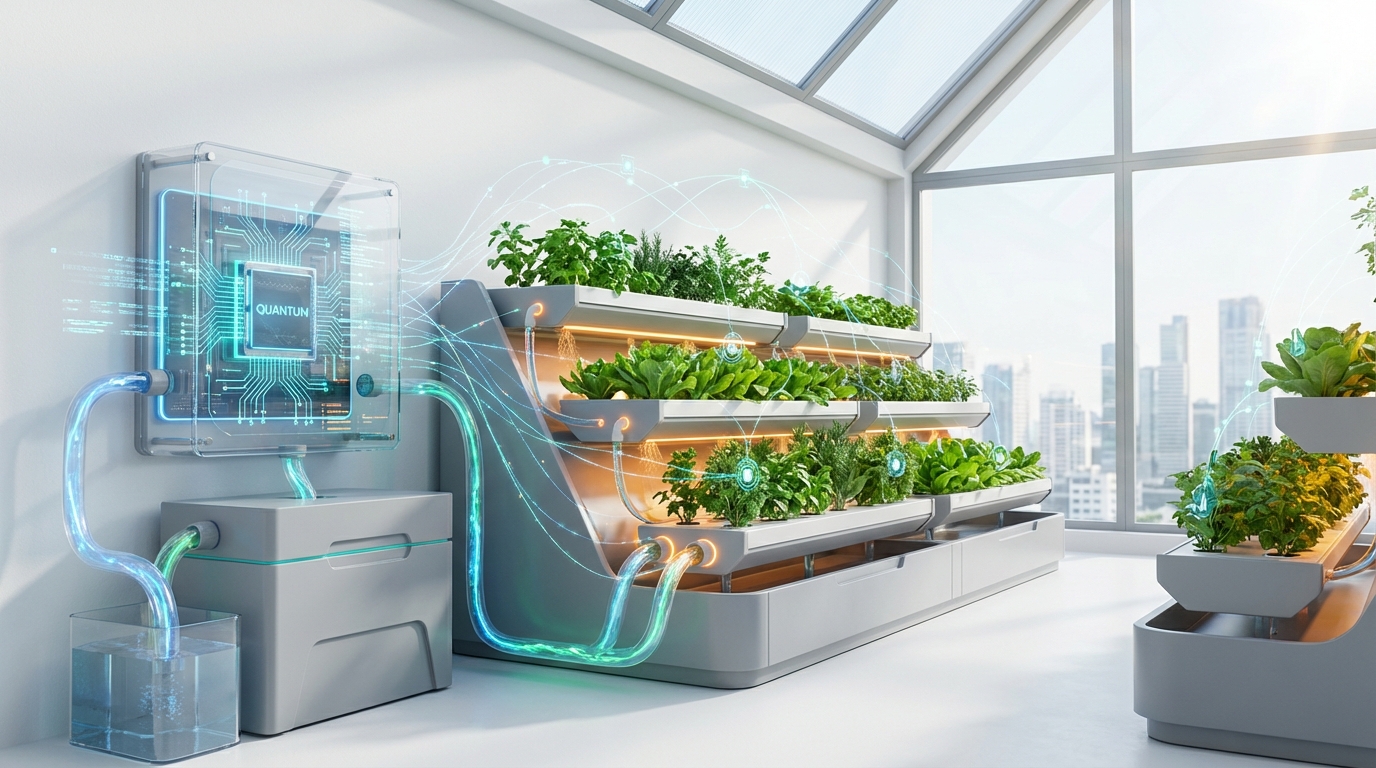
QuantumHarvest is a pioneering subscription service that utilizes quantum computing to optimize grey-water irrigation systems for urban micro-farms. Our technology reduces waste and significantly boosts crop yields, making urban farming more efficient and sustainable.
How to Start an Urban Micro-Farm Business with AI: Optimize Water Use
In the bustling world of AgriTech, urban micro-farming emerges as a beacon of sustainability and innovation, promising to transform urban landscapes into green havens. However, one of the most significant challenges faced by urban micro-farmers is inefficient irrigation, leading to water wastage and suboptimal crop yields. Enter QuantumHarvest, a pioneer in leveraging quantum computing to revolutionize urban agriculture by optimizing water use. But how can AI help you start and sustain a successful urban micro-farm? Let's explore this exciting intersection of technology and agriculture.
The AgriTech Market Opportunity
The AgriTech market is witnessing an unprecedented surge, driven by the urgent need to enhance agricultural efficiency and sustainability. Urbanization and the global push towards sustainable living have made urban micro-farming a hot topic. According to recent studies, the global AgriTech market is poised to reach $43.4 billion by 2027, growing at a CAGR of 12.1%. This trend is fueled by the increasing adoption of technologies like AI and IoT in agriculture.
Why Now for Urban Micro-Farming?
- Water Scarcity: With water scarcity affecting over 40% of the global population, efficient water management systems are more crucial than ever.
- Sustainability Goals: Urban areas are increasingly focusing on reducing their carbon footprint, and micro-farming offers a viable solution.
- Technological Advancements: Advances in quantum computing and AI provide tools for precise resource management, making urban farming more viable and profitable.
Urban micro-farming is not just an opportunity; it's a necessity. By tapping into this market, entrepreneurs can contribute to global sustainability goals while establishing a profitable business.
How AI is Revolutionizing AgriTech
AI is transforming the AgriTech landscape by offering innovative solutions to age-old farming challenges. In the context of urban micro-farming, AI's role is pivotal.
Specific AI Applications in Urban Micro-Farming
- Precision Irrigation: AI algorithms analyze real-time data from sensors placed in the soil to determine the exact amount of water required by crops, minimizing waste.
- Predictive Analytics: By examining environmental conditions and plant health, AI can forecast crop yields and optimize harvesting schedules.
- Automated Monitoring Systems: AI-powered cameras and sensors monitor plant health, detecting diseases early and reducing the need for chemical interventions.
"AI is not just a tool but a partner in modern agriculture, enabling farmers to make informed decisions and optimize resources."
QuantumHarvest exemplifies how AI can be harnessed to address the specific challenges of urban micro-farming, ensuring efficient water use and maximizing crop yields.
Building Your AgriTech Startup: Step-by-Step
Embarking on an AgriTech startup journey requires careful planning and execution. Here’s a step-by-step guide tailored for aspiring urban micro-farmers.
1. Conduct Market Research
- Identify Target Audience: Focus on urban areas with water scarcity issues and a demand for sustainable produce.
- Analyze Competitors: Understand the strengths and weaknesses of existing urban micro-farms and AgriTech solutions.
2. Develop a Business Plan
- Define Your Value Proposition: Articulate how your use of AI and quantum technology will solve specific agricultural problems.
- Set Clear Goals: Establish short-term and long-term objectives for your micro-farm.
3. Secure Funding
- Explore Funding Options: Look for investors interested in sustainable solutions or apply for grants supporting green technologies.
- Budgeting: Allocate funds effectively, prioritizing technology acquisition and water management systems.
4. Choose the Right Technology
- AI and Quantum Solutions: Invest in AI-driven irrigation systems and quantum algorithms for precision farming.
- IoT Sensors: Deploy sensors for real-time monitoring of soil moisture and crop health.
5. Build a Strong Team
- Hire Experts: Recruit individuals with expertise in AI, agriculture, and business development.
- Foster Innovation: Encourage a culture of innovation and continuous improvement within your team.
6. Launch and Market Your Startup
- Create a Brand: Develop a strong brand identity that resonates with sustainability and innovation.
- Engage with the Community: Use social media and local events to raise awareness and build a customer base.
Key Challenges and How to Overcome Them
Starting an urban micro-farm is not without its challenges. Here are some obstacles you might face and strategies to overcome them.
1. Technological Complexity
The integration of AI and quantum computing can be complex. It’s essential to:
- Partner with Tech Experts: Collaborate with technology providers who can offer tailored solutions and support.
- Continuous Learning: Stay updated with the latest technological advancements and training.
2. Regulatory Hurdles
Navigating regulations can be daunting. To mitigate this:
- Understand Local Laws: Familiarize yourself with zoning laws and environmental regulations in your area.
- Engage with Policy Makers: Work with local governments to advocate for policies supporting urban agriculture.
3. Market Competition
To stand out in a competitive market:
- Differentiate Your Offering: Highlight the unique benefits of your AI-driven approach.
- Focus on Customer Experience: Provide exceptional service and engage with your customers to build loyalty.
Financial Considerations
Understanding the financial landscape is crucial for any startup, especially in AgriTech.
Startup Costs
- Technology Investment: Initial costs may be high due to the purchase of AI and quantum computing technology.
- Infrastructure: Setting up a micro-farm requires investment in physical infrastructure and equipment.
Revenue Models
- Direct Sales: Sell fresh produce directly to consumers or local businesses.
- Subscription Services: Offer subscription-based delivery of fresh produce to urban dwellers.
- Consulting Services: Provide expertise to other urban farmers looking to implement AI solutions.
Funding Opportunities
- Venture Capital: Seek out VCs with a focus on AgriTech and sustainable solutions.
- Crowdfunding: Leverage platforms to gain support from individuals passionate about sustainability.
Getting Started Today
The future of urban micro-farming is bright, and the time to act is now. By leveraging AI and quantum technology, you can create a sustainable and profitable business that addresses some of the world's most pressing challenges. At QuantumHarvest, we're committed to empowering urban farmers with the tools they need to succeed.
Ready to take the first step towards revolutionizing urban agriculture? Join the QuantumHarvest community today and let's make water use smarter and more sustainable together.
Denovo can help you navigate the complexities of starting your AgriTech business, from securing funding to implementing cutting-edge technology. Embrace the future of farming and start your journey today!
Written by
denovo
A member of the Denovo community sharing their startup journey.